manual transmission shifter bushing
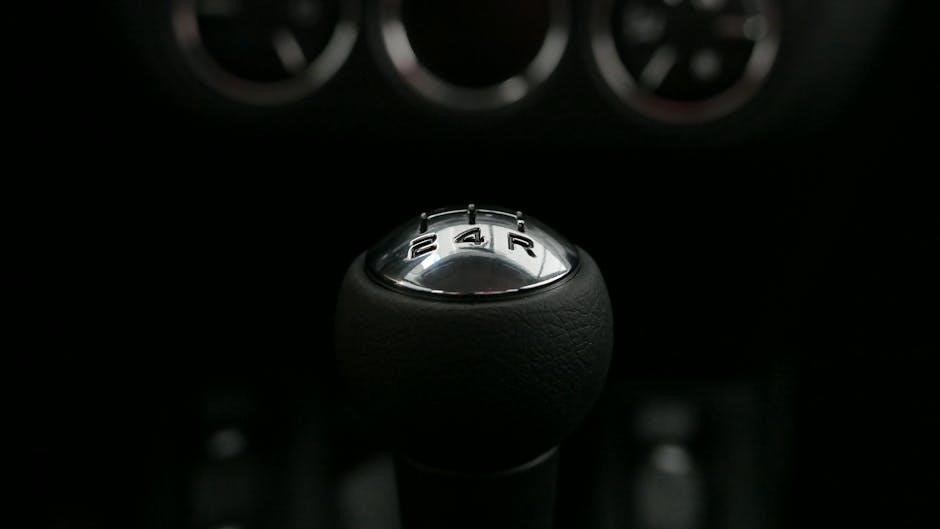
Manual transmission shifter bushings are crucial components, often overlooked, impacting the precision and feel of gear changes. Replacing worn bushings can dramatically improve driving enjoyment.
These small parts mitigate vibrations and play within the shifter linkage, ensuring smooth and accurate gear selection. Ignoring them leads to a degraded driving experience.
Understanding their role and the benefits of replacement is key for any manual transmission vehicle owner seeking optimal performance and a connected feel to their car.
What are Shifter Bushings?
Shifter bushings are small, often cylindrical or spherical, components made from materials like rubber, polyurethane, or brass. They reside within the transmission’s shifter linkage, serving as a crucial interface between the shifter lever and the internal shifting mechanism.
Their primary function is to reduce play, dampen vibrations, and provide a more solid, direct connection during gear changes. Think of them as the silent support system for precise shifting. Over time, these bushings degrade, becoming worn or brittle, leading to a noticeable decline in shifting performance and feel.
Essentially, they translate your hand movements into accurate gear selection within the transmission.
Why Shifter Bushings Matter
Shifter bushings are vital for maintaining a precise and enjoyable driving experience in manual transmission vehicles. Worn bushings introduce excessive play into the shifter linkage, resulting in vague and imprecise gear changes. This impacts driving confidence and responsiveness.
Beyond feel, deteriorated bushings contribute to increased stress on other transmission components. Replacing them restores the intended mechanical connection, reducing wear and potentially preventing more costly repairs down the line.
Ultimately, healthy bushings enhance control and prolong the life of your transmission.
Symptoms of Worn Shifter Bushings
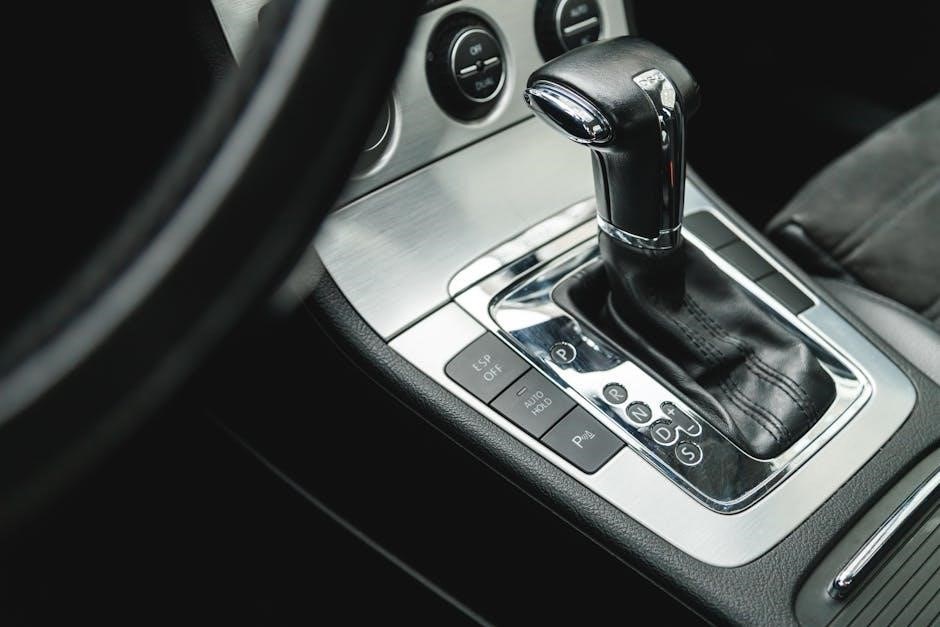
Worn shifter bushings manifest as a sloppy shifting feel, increased shifter play, difficulty finding gears, and noticeable vibrations through the shifter itself.
Sloppy Shifting Feel
A sloppy shifting feel is often the first indicator of deteriorating shifter bushings. This sensation arises from excessive play within the shifter linkage, as the worn bushings no longer firmly support the shifter rods. Consequently, the shifter may feel loose and imprecise, lacking the direct connection it once had.
Drivers often describe it as a vague or rubbery sensation, requiring more effort to confidently select the desired gear. This diminished feedback can be unsettling and detract from the overall driving experience, making precise gear changes challenging.
Increased Shifter Play
Increased shifter play directly correlates with the degradation of shifter bushings. As these bushings wear, they create more space within the shifter assembly, resulting in noticeable looseness. This manifests as excessive side-to-side movement of the shifter itself, even when a gear is engaged.
The shifter may wobble or feel disconnected, lacking the solid, precise feel of a properly maintained system. This added play not only feels unpleasant but also contributes to imprecise gear selection and a less confident driving experience.
Difficulty Finding Gears
Difficulty finding gears is a common symptom of deteriorated shifter bushings. The increased play and looseness within the shifter linkage make it harder to accurately guide the shifter into the desired gear. You might find yourself missing gears altogether, or needing multiple attempts to engage the correct one.
This imprecise movement stems from the bushings’ inability to firmly locate the shifter, leading to a vague and frustrating shifting experience. It compromises smooth driving and can cause unnecessary wear on the transmission components.
Vibrations Through the Shifter
Vibrations through the shifter are a noticeable indicator of worn shifter bushings. Healthy bushings dampen these vibrations, providing a smooth and isolated shifting feel. As they degrade, more engine and drivetrain vibrations transmit directly into the cabin, felt through the shifter itself.
This can range from a subtle buzzing to a more pronounced shaking, especially at certain RPMs or during acceleration. The lack of cushioning creates a harsh and uncomfortable driving experience, signaling the need for bushing replacement.

Types of Shifter Bushings
Shifter bushings come in three primary materials: polyurethane, rubber, and brass. Each offers distinct characteristics regarding durability, firmness, and vibration damping capabilities.
Polyurethane provides enhanced stiffness, rubber offers a more compliant ride, and brass delivers exceptional longevity and precision.
Polyurethane Bushings
Polyurethane shifter bushings represent a popular upgrade for enthusiasts seeking a more direct and precise shifting experience. Unlike traditional rubber bushings, polyurethane is significantly firmer and more durable, minimizing unwanted play within the shifter assembly.
This increased rigidity translates to improved gear engagement, reduced slop, and a more connected feel to the drivetrain. While polyurethane bushings may transmit slightly more vibration into the cabin compared to rubber, the enhanced shifting performance is often considered a worthwhile trade-off.
They are resistant to wear and tear, offering a long-lasting solution for restoring or upgrading shifter feel. Installation is generally straightforward, making them a viable DIY option for many vehicle owners.
Rubber Bushings
Rubber shifter bushings are the original equipment (OE) choice for most manual transmission vehicles, prioritizing comfort and noise reduction. They effectively dampen vibrations from the drivetrain, providing a smoother and quieter cabin experience. However, rubber is susceptible to wear and degradation over time, especially with age and exposure to heat and fluids.
As rubber bushings deteriorate, they become softer and allow increased shifter play, leading to imprecise gear changes. While inexpensive to replace, rubber bushings typically have a shorter lifespan compared to polyurethane or brass alternatives.
They are a suitable option for those seeking a factory-like ride quality and minimal vibration transmission.
Brass Bushings
Brass shifter bushings represent a premium option, offering exceptional durability and minimal compliance. Unlike rubber or polyurethane, brass doesn’t compress or deform significantly under load, resulting in a very direct and precise shifting feel. This material provides a noticeable improvement in shifter firmness and responsiveness.
However, brass bushings transmit more vibration and noise into the cabin compared to rubber alternatives. They are often favored by enthusiasts prioritizing performance and feedback over comfort.
Installation requires careful attention to lubrication to prevent wear on the brass and surrounding components.

Tools Required for Replacement
Essential tools include a socket set, ratchet, extensions, pick set for removal, and a hammer. Lubricant and potentially penetrating oil are also highly recommended for a smooth process.
Socket Set
A comprehensive socket set is paramount for shifter bushing replacement, encompassing both metric and standard sizes. The specific sizes needed will vary depending on the vehicle’s make and model, but a set covering 8mm to 19mm is generally sufficient.
Deep sockets are particularly useful for accessing recessed bolts, while impact sockets offer increased durability when used with an impact wrench. Having a variety of socket depths and drive sizes (1/4″, 3/8″, and 1/2″) provides versatility. Ensure the sockets are in good condition, with undamaged points, to prevent rounding off bolt heads.
Ratchet
A robust ratchet is essential for efficiently loosening and tightening the bolts securing the shifter assembly and related components. A 3/8-inch drive ratchet is a versatile choice, offering a good balance of strength and accessibility.
Consider a ratchet with a comfortable grip and a smooth action to reduce hand fatigue during extended use. A swivel-head ratchet can be invaluable for reaching bolts in tight spaces. A quality ratchet will withstand significant torque without failing, ensuring a secure and reliable fastening process.
Extension
A set of socket extensions is incredibly useful when accessing shifter bushings, often located in confined areas within the vehicle’s transmission tunnel. These extensions bridge the gap between the ratchet and the fastener, providing crucial reach.
Various lengths are beneficial, allowing adaptability to different access points. A wobble extension can further enhance maneuverability around obstacles. Investing in high-quality extensions prevents slippage and ensures a secure connection, maximizing efficiency during the bushing replacement process.
Pick Set
A quality pick set is essential for removing stubborn, old shifter bushings. These tools allow precise manipulation within tight spaces, carefully dislodging bushings without damaging surrounding components. Various pick shapes – straight, angled, and hooked – offer versatility for different bushing designs.
Plastic picks are preferred to avoid scratching or marring surfaces. Skillful use of picks, combined with gentle tapping, facilitates efficient bushing removal, preparing the shifter assembly for new replacements.
Hammer
A hammer, often paired with a punch or socket, is crucial for dislodging particularly stubborn shifter bushings. Gentle, controlled taps are key; excessive force risks damaging the shifter assembly or surrounding components. Using a soft-faced hammer, like rubber or plastic, minimizes the risk of marking metal surfaces.
The hammer assists in breaking the bushing’s grip, allowing picks or other tools to complete the removal process. Precision and caution are paramount when employing this method.
Step-by-Step Replacement Guide
Replacing shifter bushings involves locating, removing the shifter assembly, extracting old bushings, installing new ones, and careful reassembly for optimal gear selection.
Locating the Bushings
Identifying shifter bushing locations requires understanding your vehicle’s transmission design. Typically, bushings reside within the shifter linkage, connecting the shifter lever to the transmission itself. Common spots include where the shift cables enter the transmission, and around the shifter base inside the cabin.
Consulting a vehicle-specific repair manual or online diagrams is invaluable. Accessing these bushings often necessitates removing center console components and potentially portions of the shifter assembly. Careful observation will reveal worn or deteriorated bushings exhibiting cracks or excessive play.
Removing the Shifter Assembly
Shifter assembly removal begins with disconnecting the battery to prevent accidental electrical issues. Next, carefully remove the center console trim, often secured by screws and clips. Disconnect any wiring harnesses connected to the shifter, noting their positions for reassembly.
Detach the shift linkage or cables from the transmission. Support the transmission while doing so. Finally, unbolt the shifter assembly from the transmission tunnel. Proceed slowly and methodically, documenting each step with photos to aid reinstallation.
Removing the Old Bushings
Old bushing removal often requires patience and the right tools. Utilize a pick set or small screwdriver to carefully pry the deteriorated rubber or worn material from the shifter housing or linkage. A hammer can gently assist, but avoid damaging the surrounding metal.
Penetrating oil can loosen stubborn bushings. Thoroughly clean the bushing seats after removal, ensuring a smooth surface for the new bushings. Inspect the shifter components for any corrosion or damage during this process.
Installing the New Bushings
New bushing installation often requires a bit of force, but avoid excessive hammering. Lubricate the bushings with silicone grease to ease insertion and prevent future binding. Ensure proper alignment during installation; incorrect placement will hinder shifting performance.
Polyurethane bushings may require more effort to seat fully. Double-check that each bushing is securely in place before reassembling the shifter. A gentle tap with a hammer and a soft-faced mallet can help seat them correctly.
Reassembling the Shifter
Reassembly requires careful attention to detail. Ensure all components are clean and properly aligned before proceeding. Start by reattaching the shifter base to the transmission, securing it with the appropriate bolts or fasteners.
Reconnect any linkage or cables, verifying smooth operation throughout the entire range of motion. Double-check all connections for tightness and security. A properly reassembled shifter should feel firm and precise, with no excessive play.
Test the shifter through all gears to confirm correct functionality.

Cost of Shifter Bushing Replacement
Shifter bushing replacement costs vary greatly. DIY kits range from $20-$80, while professional mechanic services can cost $100-$300, depending on vehicle and labor rates.
DIY Replacement Cost
Undertaking a DIY shifter bushing replacement is the most economical route, typically ranging between $20 and $80. This cost primarily covers the bushing kit itself, which often includes multiple bushings for a complete refresh.
However, factor in potential incidental expenses. You might already possess necessary tools like sockets, ratchets, and extensions, but a pick set could be a $10-$20 addition. Time investment is significant, requiring several hours depending on vehicle complexity and experience.
Ultimately, a DIY approach saves substantially on labor costs, making it ideal for mechanically inclined owners seeking a cost-effective solution.
Professional Mechanic Cost
Entrusting a professional mechanic with shifter bushing replacement generally ranges from $150 to $300, though costs can escalate significantly. Labor charges constitute the bulk of this expense, typically between $80 and $150 per hour, requiring 1-3 hours for the job.
The cost of the bushing kit itself, around $20-$80, is added to the labor. Some shops may inflate pricing, with reports of quotes exceeding $1000 being considered excessive. Obtaining multiple quotes is crucial.
While pricier than DIY, professional installation ensures correct fitment and avoids potential complications.
Factors Affecting Cost
Several elements influence the total cost of shifter bushing replacement. Vehicle make and model significantly impact parts pricing and labor time, with some cars having more complex shifter assemblies.
Bushing material also plays a role; polyurethane kits are generally more expensive than rubber ones. Labor rates vary widely by location and shop expertise.
Additionally, if other worn components are discovered during the process – like shift cables – the cost will increase. Finally, choosing a DIY approach versus professional service dramatically alters the overall expense.

Common Shifter Bushing Kits
Shifter bushing kits offer convenience, containing all necessary components for replacement. Options include vehicle-specific and universal sets, varying in price and compatibility.
Typical kit contents include bushings for the shifter base, linkage, and sometimes the transmission itself, ensuring a complete repair.
Specific Vehicle Kits
Specific vehicle kits are meticulously designed for precise fitment, eliminating guesswork during the shifter bushing replacement process. These kits cater to popular makes and models, like Saturn, Toyota, Jeep, Chevrolet, and Pontiac, ensuring compatibility.
They often include bushings tailored to the unique transmission shift linkage geometry of that particular vehicle, maximizing performance gains. These kits frequently feature detailed instructions, simplifying installation for DIY mechanics.
Investing in a vehicle-specific kit guarantees the correct bushing sizes and materials, avoiding potential issues with universal alternatives and providing a superior, long-lasting repair.
Universal Bushing Kits
Universal bushing kits offer a cost-effective solution for a wider range of vehicles, providing a versatile option for shifter bushing replacement. However, they require careful selection and potentially some modification for optimal fitment.
These kits typically contain an assortment of bushing sizes and materials, demanding the user to identify and install the correct bushings for their specific transmission shift linkage.
While offering broader applicability, universal kits may necessitate trimming or adapting bushings to achieve a secure and precise fit, potentially compromising long-term durability compared to vehicle-specific options.
Kit Contents
Shifter bushing kits generally include a variety of bushings crafted from materials like polyurethane, rubber, or brass, catering to different performance preferences. Expect to find bushings for the shifter base, linkage, and potentially the reverse lock-out mechanism.
Many kits also incorporate retaining clips or hardware to secure the new bushings, ensuring a robust installation. Some premium kits may even include grease or lubricant to facilitate installation and reduce friction.
Detailed instructions, though sometimes basic, are often provided, guiding the user through the replacement process. Always verify the kit’s contents match your vehicle’s needs.
Vehicle Specific Considerations
Shifter bushing needs vary by drivetrain. Front-wheel drive cars often have simpler linkages, while rear-wheel drive vehicles may require more bushings. All-wheel drive systems present unique challenges.
Front Wheel Drive Vehicles
Front-wheel drive vehicles generally feature a more straightforward shifter linkage design compared to their rear or all-wheel drive counterparts. This often translates to a simpler shifter bushing replacement process, with fewer bushings to address. Typically, the focus is on the bushings directly connected to the shifter base and cable connections.
Because of the reduced complexity, DIY replacement is often more accessible for those comfortable with basic automotive repairs. However, proper identification of the correct bushing types for the specific vehicle model remains crucial for a successful outcome and optimal shifting performance.
Rear Wheel Drive Vehicles
Rear-wheel drive vehicles often present a more complex shifter linkage system due to the transmission’s location and the need to transfer movement to the rear axle. This typically means more shifter bushings are involved, including those within the transmission itself and along the linkage rods.
Replacing bushings in these systems can be more involved, potentially requiring partial disassembly of the center console and careful attention to alignment. Identifying all worn bushings is vital for restoring precise shifting, as multiple points of play can contribute to a sloppy feel.
All Wheel Drive Vehicles
All-wheel drive vehicles introduce unique considerations for shifter bushing replacement, as the drivetrain complexity can affect linkage geometry. Some AWD systems utilize a transfer case alongside the transmission, potentially incorporating additional bushings that contribute to shifter feel.
Diagnosing issues can be slightly more challenging due to the added components. Ensuring proper alignment during reassembly is crucial to avoid binding or imprecise shifting. Thorough inspection of all linkage points is recommended for optimal results.
Potential Problems During Replacement
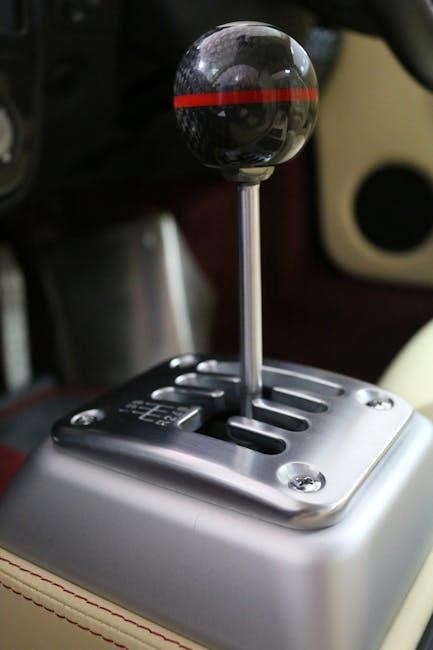
Shifter bushing replacement can present challenges like stripped threads, broken clips, or difficulty accessing stubborn bushings. Patience and the correct tools are essential for success.
Carefully assess each step to avoid damaging surrounding components during removal or installation, ensuring a smooth repair process.
Stripped Threads
Stripped threads on bolts securing the shifter assembly or related components represent a frustrating, yet common, issue during bushing replacement. Over-tightening, corrosion, or pre-existing damage can all contribute to this problem. Attempting to force a bolt into stripped threads risks further damage, potentially requiring the use of a thread repair kit, such as a Helicoil.
Careful application of torque, using a torque wrench, is crucial during both removal and installation. If encountering resistance, stop immediately and investigate the cause rather than applying excessive force. Prevention, through proper lubrication and mindful tightening, is always the best approach.
Broken Clips
Broken clips, often plastic, are frequently encountered when removing the shifter assembly to access the bushings. These clips secure cables or linkage components, and age or forceful removal can render them brittle and prone to snapping. Having a supply of replacement clips on hand is highly recommended before starting the repair.
Gentle manipulation and the use of appropriate tools, like a pick set, can minimize the risk of breakage. If a clip does break, carefully extract any remaining fragments to avoid interference during reassembly. Ignoring broken clips can lead to imprecise shifting.
Difficulty Accessing Bushings
Difficulty accessing bushings is a common challenge during replacement, often due to their location within the vehicle’s transmission tunnel. Limited space and awkward angles can hinder access, requiring patience and specialized tools. Some vehicles necessitate partial disassembly of the interior, like the center console, to gain sufficient clearance.
Rust or corrosion can further complicate matters, seizing the bushings in place. Penetrating oil and gentle persuasion with a hammer and punch may be needed. Careful planning and a well-lit workspace are essential for overcoming these accessibility hurdles.
Long-Term Maintenance
Regular inspection of shifter bushings is vital for longevity. Periodic lubrication with silicone grease helps maintain smooth operation and prevents premature wear, ensuring optimal shifting.
Regular Inspection
Consistent monitoring of your shifter bushings is a proactive step towards maintaining a precise and enjoyable driving experience. Ideally, inspections should occur during routine vehicle maintenance, such as oil changes or tire rotations.
Visually examine the bushings for cracks, excessive wear, or deformation. Pay close attention to any noticeable play or looseness within the shifter assembly. A simple wiggle test can reveal hidden issues. Early detection of wear prevents more significant problems and costly repairs down the road, preserving the integrity of your transmission linkage.
Lubrication
Proper lubrication is vital for extending the lifespan and performance of your shifter bushings. Applying a silicone-based lubricant to the bushings during installation, and periodically thereafter, minimizes friction and prevents premature wear.
Avoid petroleum-based lubricants, as they can degrade rubber bushings over time. A light coating is sufficient; excessive lubricant can attract dirt and debris. Regular lubrication ensures smooth, effortless shifting and reduces strain on the entire shifter mechanism, contributing to a more refined driving experience and preventing stiffness.
Benefits of Replacing Shifter Bushings
Replacing shifter bushings yields improved shifting precision, a more connected driving experience, and enhanced control. It restores a direct feel, increasing both enjoyment and vehicle longevity.
Improved Shifting Precision
Worn shifter bushings introduce unwanted play into the gear linkage, resulting in imprecise shifts and a vague feel. Replacing these bushings eliminates this looseness, creating a more direct connection between the shifter and the transmission;
This direct connection translates to significantly improved shifting precision, allowing drivers to confidently and accurately select the desired gear. Reduced slop means fewer missed shifts and a more engaging driving experience, particularly during spirited driving or track use. The improved accuracy also minimizes stress on transmission components.
Enhanced Driving Experience
Replacing worn shifter bushings dramatically enhances the overall driving experience in a manual transmission vehicle. The elimination of slop and vagueness creates a more connected and engaging feel, fostering a greater sense of control.
This improvement isn’t just about performance; it’s about enjoyment. Precise shifts inspire confidence and make driving more pleasurable. Reduced vibrations and a firmer feel contribute to a more refined and satisfying experience, transforming everyday commutes into something special.
Increased Vehicle Longevity
Addressing worn shifter bushings isn’t solely about improving the driving experience; it contributes to the long-term health of your vehicle’s transmission. By reducing stress on the linkage components, you minimize wear and tear on related parts.
Preventing excessive movement protects the transmission from potential damage caused by imprecise gear engagement. This proactive maintenance can extend the life of your transmission, saving you from costly repairs down the road and preserving your vehicle’s value.