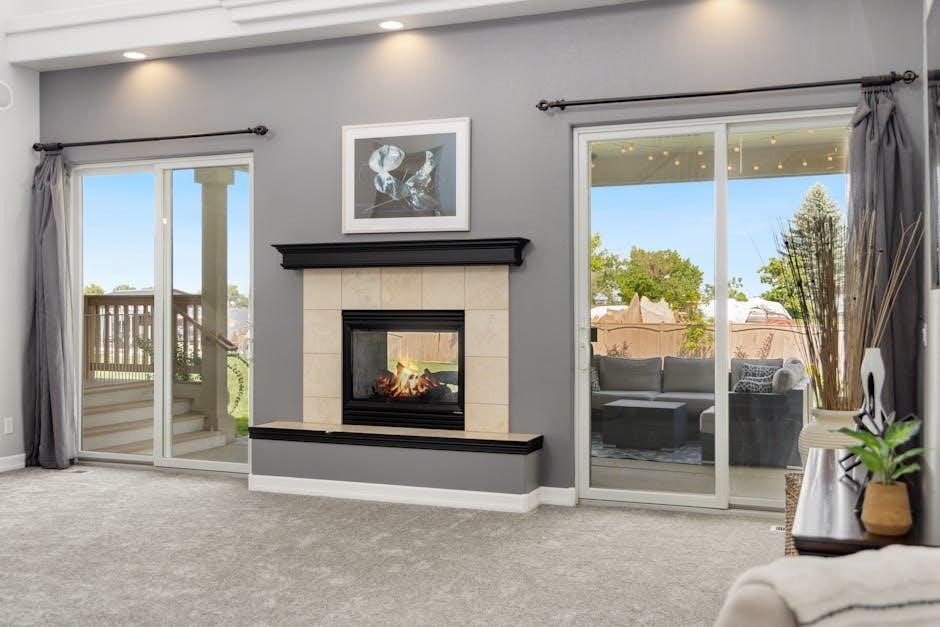
majestic gas fireplace manual
Majestic Gas Fireplace Manual: A Comprehensive Guide

This manual provides essential guidance for operating and maintaining Majestic gas fireplaces, including models like Jasper 30IN and Marq36IN/42IN.
It covers safety precautions, component identification, lighting procedures, troubleshooting, and regular maintenance to ensure optimal performance and longevity.
Understanding Your Majestic Fireplace
Your Majestic gas fireplace is a sophisticated heating appliance designed for both beauty and efficiency. Familiarizing yourself with its operation is crucial for safe and enjoyable use. These fireplaces utilize a gas control knob, a pilot light assembly, and an ignition system to produce a realistic flame.
Understanding flame patterns, like the correct pilot flame shown in Fig. 17, is vital for proper combustion. Different models, such as the Jasper 30IN and Marq36IN/42IN, may have approximate flame height variations. Regular maintenance, including cleaning the glass and inspecting logs, ensures optimal performance. Remember, any issues requiring force to operate the gas control knob necessitate a qualified technician – never attempt self-repair due to fire or explosion risks.
Safety Precautions
Prioritizing safety is paramount when operating your Majestic gas fireplace. Always use your hand – never tools – to operate the gas control knob. Forcing the knob can lead to dangerous gas leaks or even explosions, requiring immediate professional attention.
Never operate the fireplace if any part is damaged or malfunctioning. Ensure proper ventilation and keep combustible materials clear of the fireplace. Be aware of potential condensation on the glass, a normal byproduct of combustion, but address any unusual smells or noises promptly. If the pilot light frequently goes out, investigate the cause immediately.
In emergencies, know the location of the emergency shut-off procedures. Regular inspections of the vent system are also crucial for safe operation.
Component Identification
Understanding the components of your Majestic gas fireplace is key to safe and effective operation. Key elements include the gas control knob, responsible for regulating gas flow, and the pilot light assembly, which initiates the main burner. The ignition system, crucial for pilot lighting, may utilize a spark or other methods.
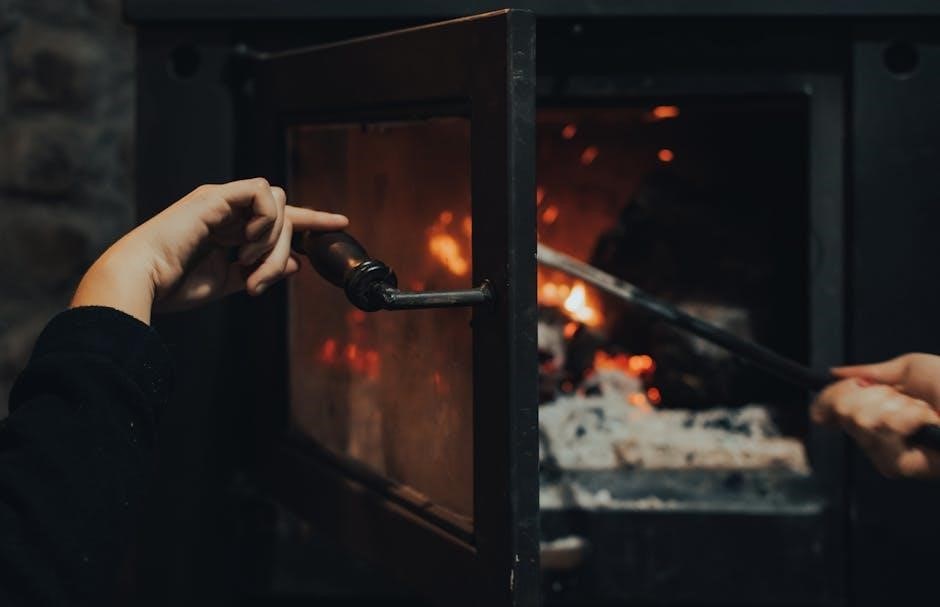
Familiarize yourself with the location of each component within your specific model (Jasper 30IN, Marq36IN/42IN). The logs and embers contribute to the aesthetic appeal and proper flame pattern. The vent system safely expels combustion byproducts.
Proper identification aids in troubleshooting and maintenance. Knowing these parts will help you understand the lighting process and address potential issues.
Gas Control Knob Operation
The gas control knob is central to operating your Majestic fireplace safely and efficiently. Always use your hand to push in or turn the knob – never use tools, as this could damage it or cause a dangerous gas leak. If the knob resists manual operation, do not force it; contact a qualified technician.
Typically, the knob has ‘Off,’ ‘Pilot,’ and ‘On’ positions. To light the pilot, push in and turn to ‘Pilot,’ holding it there while initiating the ignition. Once the pilot is lit, continue holding for the specified time to allow the safety system to engage before turning to ‘On.’
Never attempt repairs yourself if the knob malfunctions.
Pilot Light Assembly
The pilot light assembly is a critical component for igniting the main burner in your Majestic gas fireplace. It consists of the pilot orifice, pilot flame, and often a thermocouple or thermopile – safety devices that detect the pilot flame’s presence.
Regular inspection of the pilot area is crucial. Ensure the pilot orifice is free from debris or obstructions, as this can cause a weak or unstable flame. A correct pilot flame pattern (Fig. 17) should be blue with a defined shape, enveloping the thermocouple.
If the pilot light frequently goes out, cleaning the assembly and verifying proper gas supply are initial steps. A faulty thermocouple may also be the cause, requiring professional replacement.
Ignition System
Majestic gas fireplaces utilize various ignition systems, including standing pilot and spark ignition. Standing pilot models require manual lighting with a match or lighter, while spark ignition systems employ an electronic igniter to create a spark near the gas valve.
Troubleshooting a non-functioning ignition system often begins with verifying power supply (for spark ignition) and checking the igniter itself. If no sparks are visible, the igniter module or wiring may be faulty.
For wall switch issues, replacing the switch with a quality single-pole switch is a common solution. A temporary test by touching the wires together can confirm if the switch is the problem.
Lighting the Pilot Light
Before attempting to light the pilot, ensure the gas control knob is in the “OFF” position. Initial setup involves locating the pilot light assembly, typically near the gas valve. Some models, reminiscent of older hot water heaters, require holding the knob pointed at “pilot” while lighting.
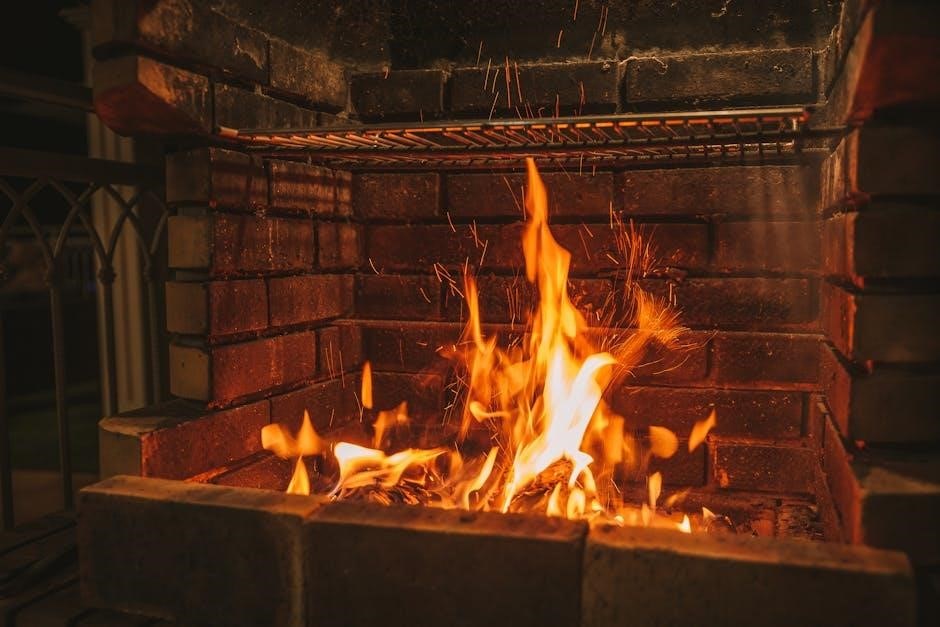
Use a long-reach lighter or match to ignite the pilot. Hold the knob for a sufficient duration, allowing the heat sensor to activate – this may require a second person. A correct pilot flame pattern (Fig. 17) is crucial for safe operation.
If the pilot won’t stay lit, ensure the thermocouple is properly positioned and functioning. Never force the gas control knob; consult a qualified technician if it doesn’t turn easily.
Initial Setup Before Lighting
Prior to any lighting attempt, verify the fireplace area is clear of combustible materials. Ensure proper ventilation and access to the gas control valve and pilot light assembly. Familiarize yourself with the location of the emergency shut-off valve for the gas supply.
Inspect the fireplace glass for any cracks or damage. Condensation on the glass is normal, resulting from gas combustion and temperature variations; it will dissipate as the fireplace warms. Confirm the gas supply is turned ON, but only attempt lighting when ready.
Double-check the gas control knob is firmly in the “OFF” position before proceeding. Never use tools to manipulate the knob – use only your hand. If resistance is met, do not force it; contact a qualified service technician.
Step-by-Step Pilot Lighting Procedure
First, turn the gas control knob to the “PILOT” position and gently push it in. While holding it, repeatedly press the igniter button to create a spark near the pilot assembly. Simultaneously, observe for a visible spark and listen for a clicking sound.
If the pilot doesn’t light after several attempts, release the gas control knob and wait five minutes to allow any accumulated gas to dissipate before trying again. For RN/RP appliances, ensure the knob remains in the “PILOT” position during relighting attempts.
Once the pilot ignites, continue holding the gas control knob in for approximately 30-60 seconds to allow the thermocouple to heat up; Then, slowly release the knob; the pilot flame should remain lit.
Troubleshooting Pilot Lighting Issues
If the pilot light won’t stay lit, a common cause is a dirty or faulty pilot assembly. Carefully clean the pilot orifice with a soft brush or compressed air, ensuring it’s free of debris. A weak spark can also prevent ignition; check the igniter wire for damage and ensure proper grounding.
If no spark is present, try replacing the wall switch with a quality single-pole switch. A failing thermocouple prevents gas flow; if the pilot lights briefly then goes out, this is likely the issue. If you suspect gas supply problems, verify the main gas line is open.
Remember, never use tools on the gas control knob; if it doesn’t turn easily, contact a qualified technician.
Flame Height Adjustment
Adjusting the flame height allows you to customize the warmth and ambiance of your Majestic gas fireplace. Typically, flame height is controlled via the gas control knob, offering a range of settings to suit your preferences. Refer to your specific model’s documentation for approximate flame heights, as these vary (around 18 for some models).
Begin by turning the fireplace on and allowing it to warm up. Slowly adjust the gas control knob, observing the flame’s response. Avoid setting the flame too high, as this can produce excessive soot and reduce efficiency.
Always ensure proper ventilation when adjusting the flame.
Regular Maintenance
Consistent maintenance is crucial for the safe and efficient operation of your Majestic gas fireplace. This includes periodic cleaning of the fireplace glass to remove soot and condensation – a common byproduct of combustion due to temperature variations. Inspect the logs and embers regularly, ensuring they are properly positioned for optimal flame appearance and airflow.
Critically, check the vent system for any obstructions or damage. A blocked vent can lead to dangerous carbon monoxide buildup. Annual professional inspections are highly recommended. Remember to only use your hand to operate the gas control knob; never use tools.
Proper care extends the life of your fireplace and ensures safe operation.
Cleaning the Fireplace Glass
Regularly cleaning the fireplace glass maintains optimal viewing and performance. Condensation on the glass is a common occurrence, resulting from gas combustion and temperature fluctuations. This creates water, appearing as a film. Allow the fireplace to cool completely before attempting any cleaning.
Use a dedicated fireplace glass cleaner, avoiding abrasive cleaners that can scratch the surface. Apply the cleaner to a soft cloth and gently wipe the glass. For stubborn residue, repeat the process. Ensure the glass is completely dry before relighting the fireplace.
Avoid getting cleaner on the logs or embers. A clean glass panel enhances the aesthetic appeal and safety of your Majestic fireplace.
Inspecting the Logs and Embers
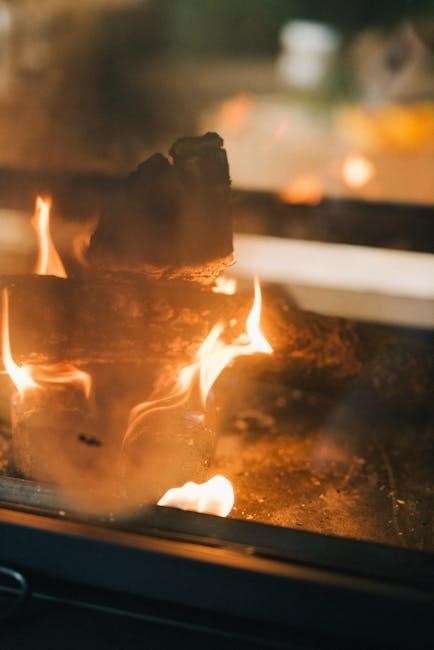
Regularly inspect the ceramic logs and embers for any signs of damage or deterioration. Cracks or crumbling indicate the need for replacement to maintain a realistic flame appearance and proper gas flow. Ensure the logs are positioned correctly, following the original arrangement diagram (if available).
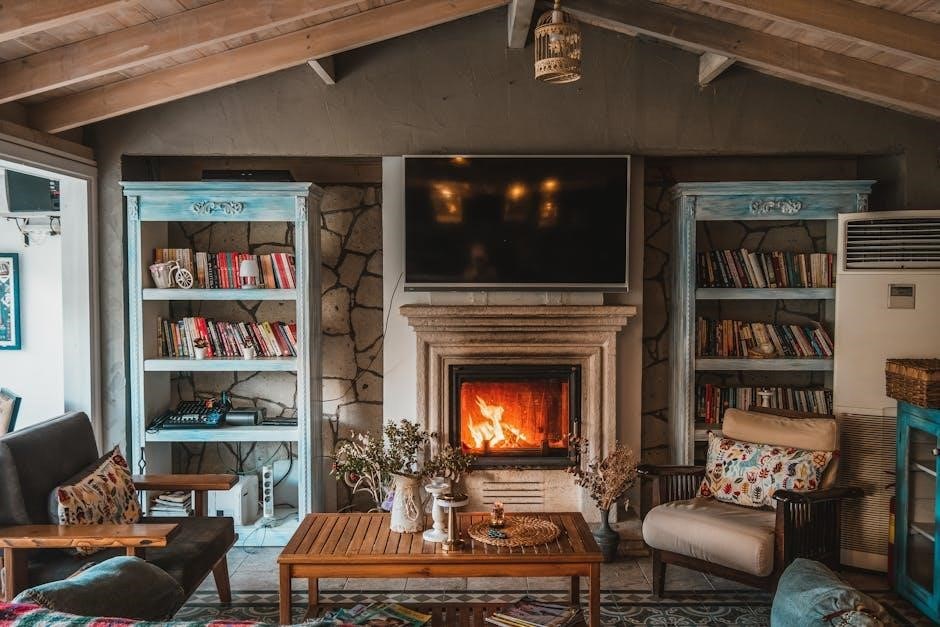
Proper log placement is crucial for efficient combustion and a natural-looking flame. Avoid disturbing the burner assembly while repositioning the logs. Carefully check for any obstructions blocking the gas ports. Gently remove any debris or soot accumulation with a soft brush.
Damaged or incorrectly placed logs can lead to incomplete combustion and potential safety hazards. Replace any damaged components promptly to ensure optimal fireplace performance.
Checking the Vent System
A properly functioning vent system is paramount for safe and efficient fireplace operation. Regularly inspect the vent pipe for any signs of blockage, corrosion, or damage. Ensure all connections are secure and airtight, preventing the escape of harmful combustion gases.
Look for obstructions like bird nests, debris, or creosote buildup within the vent. A blocked vent can cause carbon monoxide poisoning, a potentially fatal hazard. Visually examine the vent cap from both inside and outside the home.
Professional inspection is recommended annually. A qualified technician can thoroughly assess the vent system’s integrity and identify any hidden issues. Never attempt to modify or repair the vent system yourself.
Frequently Asked Questions (FAQ)
Q: Why is there condensation on the fireplace glass? A: Condensation occurs due to temperature variations and gas combustion. The cool glass surface causes water vapor, a byproduct of combustion, to condense. This typically clears as the fireplace warms up.
Q: My pilot light goes out frequently. What could be the problem? A: Frequent pilot outages can stem from a dirty pilot assembly, a faulty thermocouple, or insufficient gas supply. Cleaning the pilot area and ensuring proper gas pressure are initial steps. A technician may need to replace the thermocouple.
Q: What should I do if the fireplace won’t ignite? A: Check the wall switch, gas supply, and pilot light. Replacing the wall switch with a quality single-pole switch is a simple fix. If issues persist, contact a qualified service technician.
Condensation on Glass
The appearance of condensation on the fireplace glass is a common occurrence and generally not a cause for concern. This phenomenon is a direct result of the natural gas combustion process and the temperature differences within the fireplace system.
Prior to ignition, the glass surface cools below the dew point. This cooling causes water vapor, a byproduct of burning gas, to condense and form visible moisture on the glass. As the fireplace heats up and reaches its operating temperature, this condensation will naturally dissipate and clear from the viewing area.
It’s important to understand this is a normal byproduct and doesn’t indicate a malfunction.
Pilot Light Goes Out Frequently
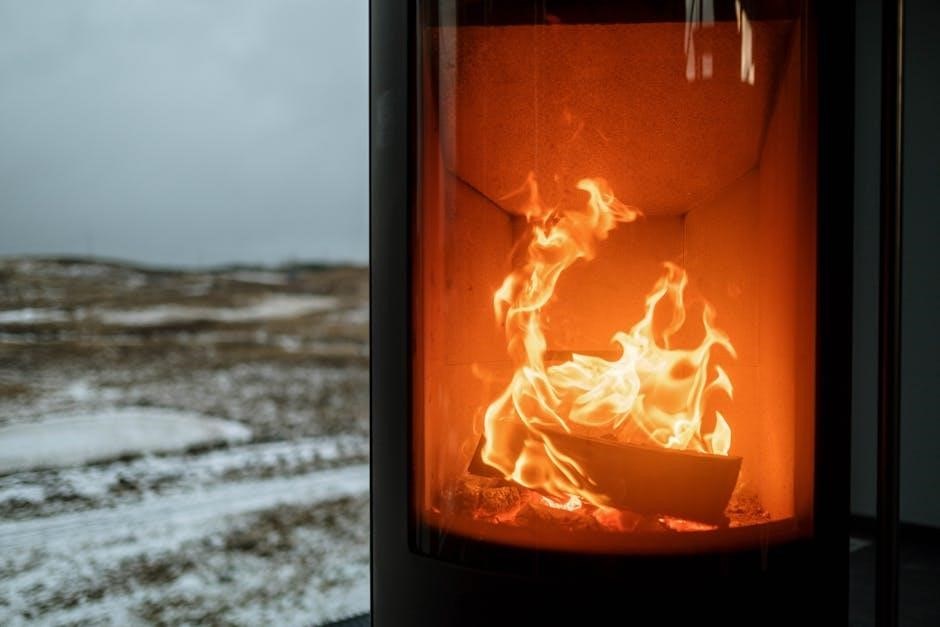
A pilot light that repeatedly extinguishes suggests a potential issue within the fireplace’s gas supply or safety system. Before attempting any repairs, ensure the gas control knob is fully engaged and the gas supply to the fireplace is turned on.
Check for drafts or air currents near the fireplace, as these can disrupt the pilot flame. A dirty or obstructed pilot assembly can also cause intermittent outages. Carefully clean the pilot orifice and surrounding area, ensuring no debris interferes with the gas flow.
If the problem persists, the thermocouple may be faulty. This component senses the pilot flame and shuts off the gas if it’s not detected. A failing thermocouple requires replacement by a qualified technician.
Electrical Component Troubleshooting (Wall Switch)
If your Majestic fireplace isn’t responding to the wall switch, begin troubleshooting with the switch itself. A common issue is a failing single-pole switch, easily replaced with a good quality alternative. While the voltage is typically low, always exercise caution and consider using a voltage tester to confirm power is off before working with wiring.
A quick test involves carefully touching the two wires connected to the switch together. If the fireplace ignites, this confirms the switch is the culprit. Ensure the replacement switch is compatible and properly installed, following all safety guidelines.
Remember to never attempt repairs if you are uncomfortable working with electrical components; consult a qualified technician for assistance.
Gas Supply Considerations
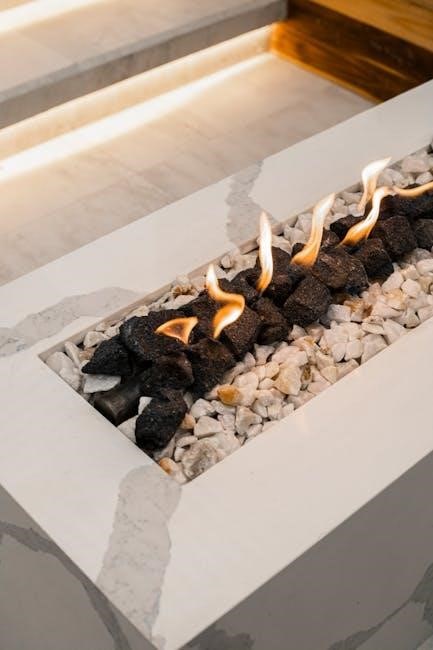
Proper gas supply is critical for safe and efficient Majestic fireplace operation. Always ensure the gas control knob is operated by hand only – never use tools, as forcing it can lead to dangerous leaks or explosions. If the knob doesn’t move easily, immediately contact a qualified service technician.
Verify the gas line is fully open and that the fireplace is connected to the correct gas type (natural gas or propane), as specified on the unit’s nameplate. Regularly inspect the gas line for any signs of damage or corrosion.
Never attempt to repair gas lines yourself; this should only be done by a licensed professional. Prioritize safety and adhere to all local gas codes.
Understanding Flame Patterns (Correct Pilot Flame)
A correctly functioning pilot flame is essential for safe and reliable fireplace operation. Refer to Fig. 17 for the ideal pilot flame pattern – it should be a steady, blue flame that fully engulfs the pilot sensor. A weak or yellow flame indicates a potential issue requiring immediate attention.
Condensation on the glass is a common occurrence, resulting from gas combustion and temperature variations. This is normal and will dissipate as the fireplace warms up. However, consistently unstable or incorrectly colored pilot flames suggest a problem with the gas supply, pilot assembly, or ignition system.
Always consult a qualified technician if you observe an abnormal pilot flame.
Specific Model Information (Jasper 30IN, Marq36IN/42IN)
Majestic offers a range of gas fireplaces, with the Jasper 30IN and Marq36IN/42IN being popular choices. These models feature varying approximate flame heights; consult your specific owner’s manual (2546-981 Rev. N for Jasper 30IN, 2270-98 for Marq models) for precise details.
For RN/RP appliances, the On/Off control requires a specific turning action. Ensure the gas control knob is pushed in and turned to the desired setting. Never use tools to manipulate the knob; always use your hand to avoid potential damage or gas leaks.
Refer to the model-specific manual for detailed component locations and maintenance procedures.

Dealing with No Spark Ignition
If your Majestic gas fireplace fails to produce a spark when attempting to light the pilot, several troubleshooting steps can be taken. First, verify the gas supply is turned on. A common solution is to try replacing the wall switch with a good quality single-pole switch; a simple test involves briefly touching the wires together to see if ignition occurs;
If the switch isn’t the issue, carefully inspect the pilot light assembly for any obstructions or debris. Ensure the igniter is clean and properly positioned. Remember safety first: if you’re uncomfortable, consult a qualified service technician.
Consider a fuzzy memory of older heaters – some require holding the knob pointed at ‘pilot’ for sensor activation.
Emergency Shut-Off Procedures
In the event of a gas leak or any malfunction, immediate action is crucial. The primary emergency shut-off is the manual gas valve located on the gas supply line leading to the fireplace. Turn this valve to the “OFF” position immediately. Do not operate any electrical switches if you suspect a gas leak.
Evacuate the premises and contact your local gas company or emergency services from a safe location. Never attempt to repair a gas leak yourself. Do not use any open flames or electrical devices as this could ignite the gas.
Ensure everyone in the household knows the location of the gas shut-off valve and these emergency procedures.