plane spotting guide

Plane spotting is the hobby of watching aircraft at airports, heliports, and airfields; SpotterGuide.net offers worldwide guides, from New York East 34th Street Heliport to Los Roques, Mataveri, Rand, and more, helping enthusiasts locate the best viewing spots. Now!!!..
What Is Plane Spotting?
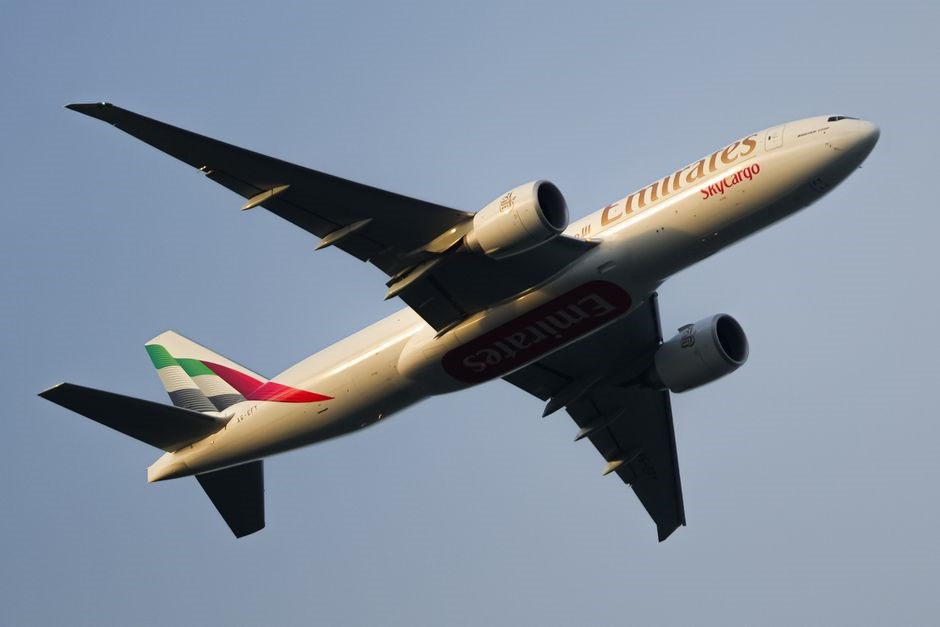
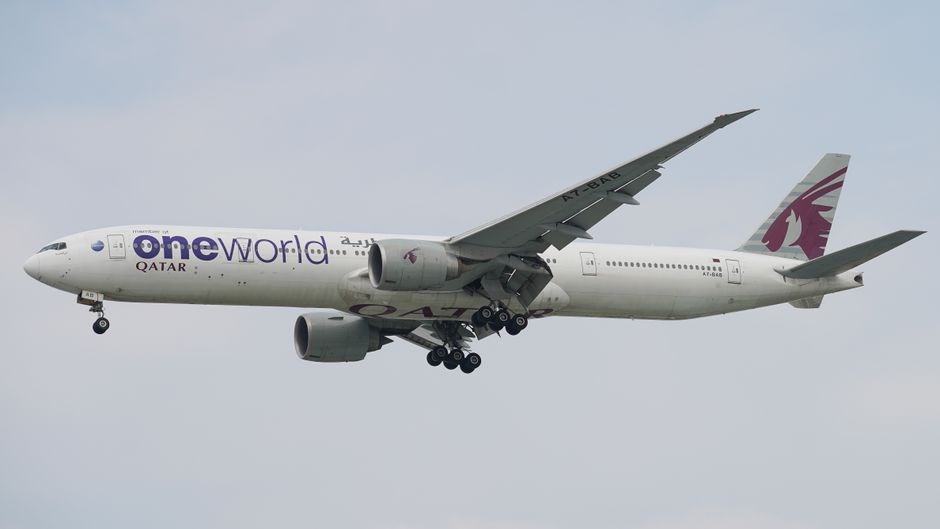
Plane spotting is a dedicated hobby that involves observing and documenting aircraft movements at airports, heliports, and airfields worldwide. Enthusiasts use SpotterGuide.net, a global community platform, to discover prime viewing locations such as New York East 34th Street Heliport (6N5/K6N5), Los Roques (SVRS/LRV) in Venezuela, Mataveri International Airport (IPC/SCIP) on Easter Island, Rand Airport (QRA/FAGM) near Johannesburg, Anchorage Elmendorf AFB (EDF/PAED), Klagenfurt Airport (KLU/LOWK) in Austria, and Cape Town’s Waterfront Heliport (FADW). By sharing real‑time flight data, photos, and personal experiences, spotters can track aircraft types, registration numbers, and flight paths, turning each visit into an engaging learning opportunity about aviation history, aircraft design, and operational patterns. The practice encourages patience, attention to detail, and a passion for the skies, while fostering a sense of community among like‑minded observers worldwide. Whether you’re a casual passerby or a seasoned aficionado, plane spotting offers a unique window into the dynamic world of air travel, revealing the stories behind every take‑off and landing. Collectors often note that the best moments occur during early morning or late evening hours, when the sky’s colors complement the aircraft’s silhouette, and the quiet of the airfield allows for observation and a sense of wonder at dusk and.
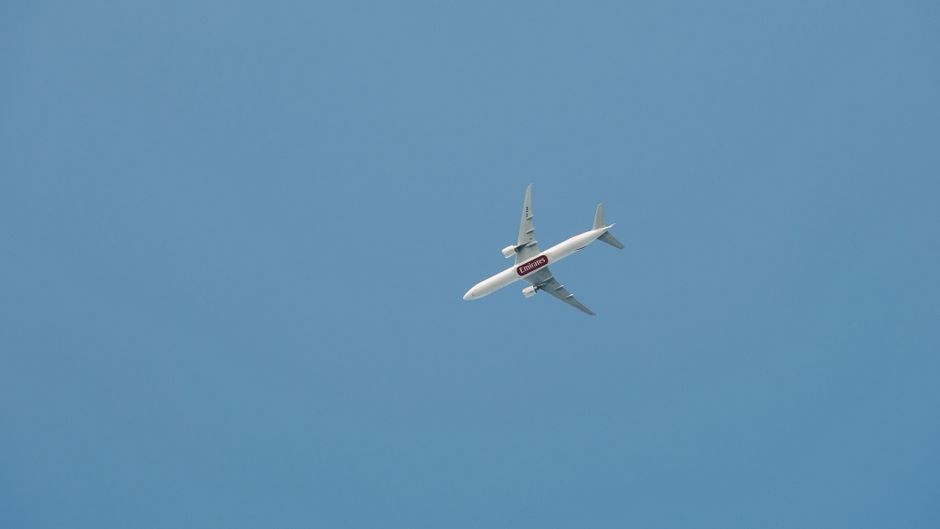
Essential Gear for Spotters
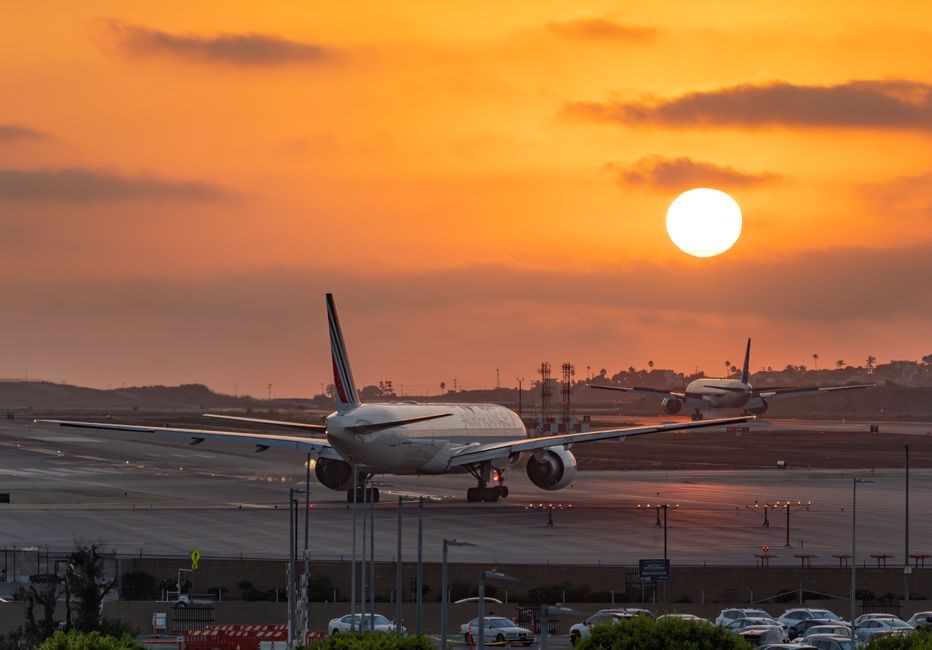
Reliable binoculars, a DSLR or mirrorless camera, a sturdy tripod, lightweight clothing, a notebook, and a portable power bank are core gear. SpotterGuide.net recommends 10×50 binoculars, a 24‑70mm lens, and a weather‑proof case for all conditions. Add a local map. Now!!
Recommended Cameras and Lenses
For avid plane spotters, a high‑resolution DSLR or mirrorless camera is essential. SpotterGuide.net highlights the Canon EOS R5 and Sony A7R IV for their 45‑megapixel sensors and excellent low‑light performance. Pair these bodies with a versatile 24‑70 mm f/2.8 zoom to capture wide airport scenes and close‑up aircraft details. The 70‑200 mm f/4.5‑5.6 zoom is ideal for distant jets, while a 16‑35 mm f/2.8 prime offers crisp horizon shots. A 50‑200 mm f/2.8 lens is a great all‑rounder for both runway and tail‑wheel enthusiasts. For those who prefer prime lenses, the 35 mm f/1.4 delivers sharp images with a natural perspective, and the 85 mm f/1.8 is perfect for portrait‑style aircraft portraits. Always carry a weather‑proof lens hood and a high‑quality tripod to stabilize your shots. A portable power bank and spare memory cards are also recommended to keep the gear running throughout long spotting sessions. Finally, a quick‑access case with padded compartments protects the camera and lenses from dust and vibration during travel. These combinations provide the flexibility and clarity needed to capture the dynamic motion of aircraft from any angle. When shooting in bright daylight, a neutral‑density filter can help maintain proper exposure, and a fast shutter speed of 1/1000 s freezes even the fastest jet engines, ensuring crisp detail.

Choosing the Right Spotting Location
Choose a spot with clear runway views and easy access. Popular sites include New York East 34th Street Heliport, Los Roques, Mataveri, Rand, Anchorage Elmendorf AFB, Klagenfurt, and Cape Town Waterfront Heliport. Check local rules and safety before arriving and enjoy the sky.now

Top Airports for Plane Spotting
Here are the most sought‑after airports for enthusiasts, each offering unique viewing angles, diverse fleets, and vibrant traffic patterns. The list is drawn from SpotterGuide.net’s global database and includes both commercial hubs and niche heliports.
- New York East 34th Street Heliport (6N5/K6N5) – Located on Manhattan’s eastern coast, this heliport provides unobstructed runway views and a steady stream of domestic and international helicopters. Its proximity to Midtown makes it a convenient spot for city dwellers.
- Los Roques (SVRS/LRV) – Venezuela’s busiest island airport, situated on Gran Roque, offers a mix of regional turboprops and larger jets. The tropical setting and clear skies create ideal conditions for spotting rare aircraft.
- Mataveri International Airport (IPC/SCIP) – The gateway to Easter Island, this remote airfield sees a blend of chartered flights, cargo, and tourist aircraft. The long runway and isolated location mean fewer obstructions and excellent visibility.
- Rand Airport (QRA/FAGM) – A busy Johannesburg general‑aviation hub, Rand Airport hosts a variety of private jets, business aircraft, and training planes. Its 30‑minute drive from OR Tambo International adds a layer of adventure.
When planning a visit, check each airport’s public viewing policies, local regulations, and operating hours. Many sites offer dedicated observation decks or nearby parks that enhance the spotting experience. Happy spotting! Enjoy!!!!!!!
Regulations and Privacy Issues
Plane spotting must respect local laws, airport protocols, and privacy rights. Many airports enforce no‑photography zones near towers and restricted airspace. The FAA and ICAO guidelines prohibit capturing images that could reveal operational details or compromise safety. Spotters should obtain permission from authorities when using private property or restricted areas. In the U.S., the FAA’s “no‑fly” zones and “Restricted Airspace” maps must be consulted before approaching any airfield. European airports follow similar rules under EASA, with GDPR considerations for personal data. Spotters should avoid filming or photographing individuals without consent, especially in crowded terminals or on aircraft that may carry passengers. Drones are heavily regulated; most airports prohibit unmanned aerial vehicles within 5 km of the runway unless special clearance is granted. Many jurisdictions impose fines for trespassing or capturing images that could be used for commercial purposes without a license. To stay compliant, spotters should: 1) check the airport’s website for viewing policies; 2) respect “no‑photography” signs; 3) keep a safe distance from operational areas; 4) refrain from photographing crew or passengers; 5) seek written permission if using images for sale. By following these guidelines, enthusiasts can enjoy the hobby while safeguarding safety. Moreover, spotters should be aware of data transfer laws when sharing images online. Some countries require that photos of aircraft be anonymized to protect commercial interests.
Best Times and Weather Conditions
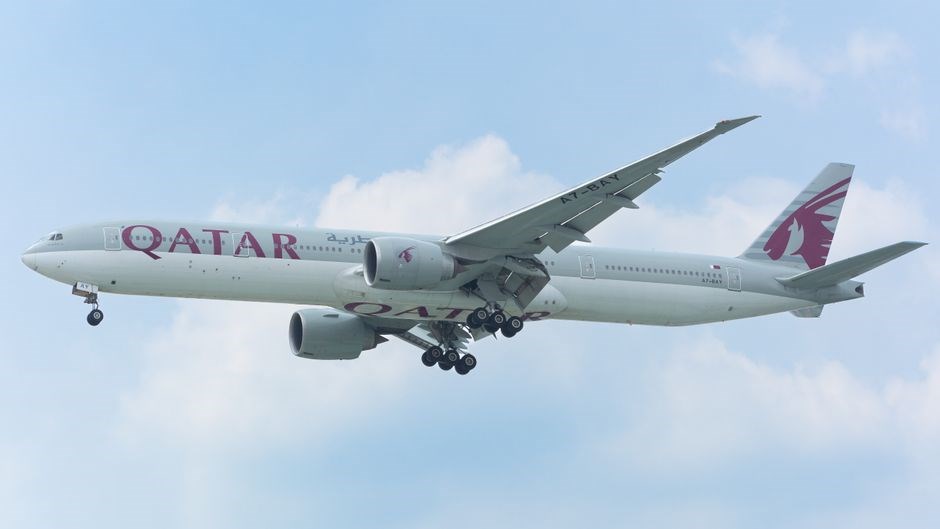
Optimal spotting occurs early morning or late afternoon when light angles highlight aircraft. Clear skies reduce glare; cover adds drama. Avoid rain or snow, and check forecasts for wind speed, as gusts can alter flight paths.
Seasonal Patterns and Flight Schedules
Seasonal variations significantly influence aircraft traffic at key spotting sites. In tropical hubs like Los Roques (SVRS/LRV), summer months bring increased cruise traffic, while winter sees a dip as charter flights decline. At Mataveri International Airport (IPC/SCIP), the Easter Island gateway, the peak tourist season from November to March spikes arrivals and departures, making mornings and evenings prime for spotting. Rand Airport (QRA/FAGM) near Johannesburg experiences a steady flow of domestic flights year‑round, but the high‑traffic period from December to February aligns with holiday travel, offering a richer mix of aircraft types. Anchorage Elmendorf AFB (EDF/PAED) in Alaska sees a surge in cargo operations during the late summer, whereas winter months focus on military and emergency flights. Klagenfurt Airport (KLU/LOWK) in Austria shows a distinct pattern: summer months (June‑August) attract leisure traffic, while winter (December‑February) sees more freight and regional services. Flight schedules at these airports are publicly available via aviation databases and airline timetables; spotting enthusiasts often cross‑reference these to predict peak activity windows. Understanding these seasonal rhythms allows spotters to plan visits when the skies are most populated, ensuring a dynamic and rewarding experience.

Photography Techniques for Flight Fans
Use a fast shutter to freeze motion, set ISO low for clarity, and focus on the aircraft’s tail to capture detail. Compose with the horizon line, use leading lines from runways, and shoot during golden hour for warm light.!!!! Remember to respect privacy and distance.
Camera Settings and Composition Tips
When shooting aircraft, choose a fast shutter speed—typically 1/500 s or faster—to freeze jet engines and wing motion. Keep ISO low (100–200) to minimize noise, and use a narrow aperture (f/8–f/11) for a deep depth of field that keeps the whole plane sharp. Set the camera to continuous autofocus and enable face‑tracking if available, as it locks onto the moving target. For composition, position the aircraft on the lower third of the frame to leave space for the sky or runway context. Use the rule of thirds to place the tail or cockpit in a focal point, and let the runway or taxiway act as leading lines that guide the viewer’s eye toward the plane. Shoot during the golden hour for soft, warm light that accentuates the aircraft’s contours. Avoid shooting directly into the sun to prevent lens flare. Practice panning with the aircraft’s motion: keep the camera’s motion synchronized with the plane’s speed, and use a tripod or monopod to stabilize the frame for crisp, sharp images even in low light. This combination of settings and compositional strategies will help you capture dynamic, high‑quality shots of any aircraft you encounter. Respect privacy and stay within permitted zones.
Community and Resources
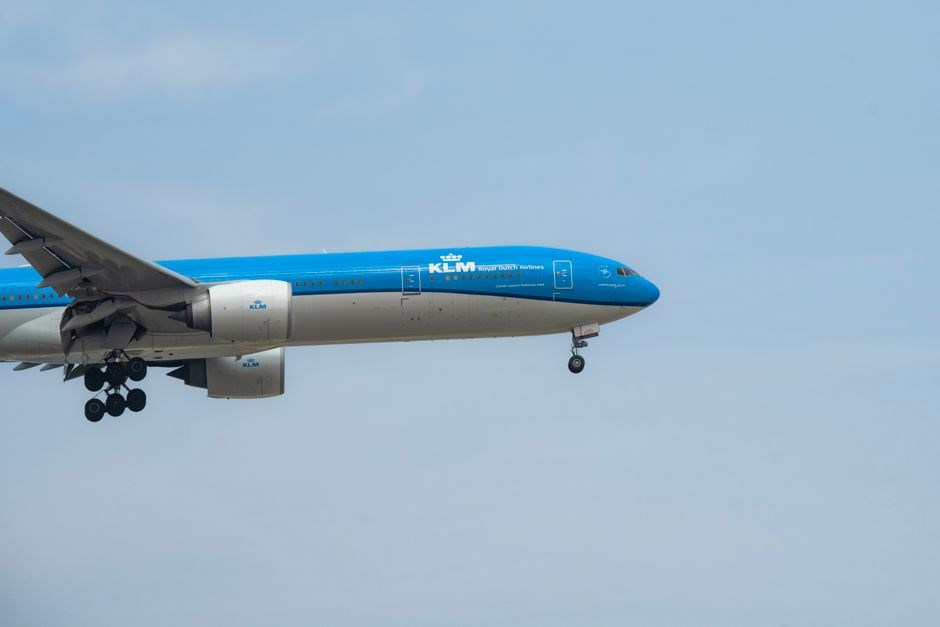
Join global forums like SpotterGuide.net, where enthusiasts share airport tips, photo challenges, and real‑time flight updates. Connect via Discord, Facebook groups, and local meet‑ups to exchange gear advice and spot new aircraft. See!
Online Forums and Spotter Networks
SpotterGuide.net organizes its community into subforums for regions aircraft types. Moderators enforce respectful discussion, while experienced spotters mentor newcomers. The platform’s reputation system rewards consistent, accurate posts, encouraging high‑quality content and fostering a collaborative atmosphere.
Integration with real‑time flight‑tracking services like Flightradar24 and OpenSky Network allows spotters to receive instant alerts about arrivals and departures. The forum’s API can pull live data, enabling automated posting of flight details and facilitating coordinated viewing sessions at peak traffic times.in real‑time!@
User‑generated content is the lifeblood of the forum. Spotters upload photos, flight logs, and 3D models of aircraft. Regular photo contests with themed prompts spark creativity and keep the community engaged. Winners receive badges and featured spots on the site’s gallery.
Meet weekly for live spotting.
Spotter communities use social media and newsletters to share flight alerts and educational content. Members collaborate on mapping projects, creating overlays that show real‑time flight paths over the airport’s layout, helping newcomers locate the best viewing spots and understand aircraft operations. These efforts produce flight logs that can be cross‑referenced with timetables. Enrich community all!
Maintaining Your Equipment
Keep lenses clean with microfiber cloths, store gear in padded cases, check battery levels before trips, and back up memory cards. Regularly update firmware, inspect tripod legs for wear, and use protective covers against weather. Stay ready Alway check for lens flare.
Storage and Cleaning Tips
Proper storage and cleaning are vital for longevity. Keep cameras in padded, climate‑controlled cases; avoid extreme temperatures that can damage electronics. Use silica gel packs to absorb moisture, especially after flights in humid climates. When not in use, close the shutter. For lenses, store in a clean, dust‑free bag and use lens caps. Clean lenses with a dedicated microfiber cloth and lens cleaning solution; never spray directly. For memory cards, wipe the contacts with a dry, lint‑free cloth and store in a protective sleeve. Batteries should be stored at 50‑60 % charge in a cool place; replace them every 12–18 months. When cleaning tripods or monopods, use a soft brush to remove debris and wipe with a damp cloth. Check all screws and joints for tightness. Finally, perform a quarterly inspection of all gear, noting any signs of wear or damage, and replace parts promptly to maintain optimal performance for your next spotting session and keep.
Regular maintenance checks the tripod lock, firmware updates, and battery compartment for corrosion. Store spare batteries in an insulated container to keep them stable. Pack a small kit with lens wipes, a microfiber cloth, a portable charger for long trips. Keep a log of gear condition to track wear and plan timely replacements.
Planning a Spotting Trip
Choose airports such as New York East 34th Street Heliport, Los Roques, Mataveri, or Rand. Check schedules, weather, and access rules. Pack gear, arrange transport, and stay aware of local regulations. Plan arrival times and dining options
Transportation and Accommodation Options
Choosing how to reach an airfield depends on its location. Urban hubs like New York East 34th Street Heliport are best accessed by public transit or rideshare, while remote sites such as Los Roques or Mataveri International Airport require a flight to the nearest hub followed by a local shuttle or private transfer. Rand Airport, only 30 minutes from Johannesburg’s OR Tambo, is convenient for car rentals or rides. Anchorage Elmendorf AFB and Cape Town’s Waterfront Heliport offer nearby hotels that cater to aviation fans, many providing early‑morning check‑ins to start spotting before take‑off. Accommodation ranges from budget hostels to boutique hotels; key factors are proximity to the runway and clear sightlines. Camping or glamping near smaller regional airports like Klagenfurt Airport gives an immersive experience. Verify local regulations about overnight stays near runways, as some airports restrict access after dark. Travel insurance covering vehicle rental and health, especially when visiting remote spots with limited medical facilities, is advisable. Align transportation and lodging with the airport’s schedule and local rules to maximize spotting time and ensure a safe, memorable trip. Remember to double‑check local entry rules before arrival. Enjoy the skies responsibly and stay safe. See you soon!—————————