electrical installation condition report pdf

An Electrical Installation Condition Report (EICR) is a detailed assessment of a property’s electrical systems, ensuring compliance with safety standards and identifying potential hazards for remedial action.
What is an Electrical Installation Condition Report?
An Electrical Installation Condition Report (EICR) is a comprehensive evaluation of a property’s electrical system, assessing its safety and compliance with regulations. Conducted by a qualified electrician, it identifies potential hazards, such as faulty wiring or outdated components. The report includes codes (C1, C2, C3) indicating the severity of issues found. It is a legal requirement for landlords and often required during property sales, ensuring electrical systems are safe and functional.
Importance of EICR for Electrical Safety
An EICR is crucial for ensuring electrical safety by identifying potential hazards in a property’s wiring and components. It prevents risks of electric shocks, fires, and accidents by highlighting faulty or outdated systems. Regular inspections ensure compliance with safety standards, protecting occupants and preventing legal issues. A valid EICR provides peace of mind, knowing the electrical system is safe and functional, which is essential for both residential and commercial properties.

Legal Requirements for EICR in the UK
In the UK, landlords must obtain an EICR every five years or as recommended. Non-compliance can lead to legal penalties, ensuring electrical safety standards are met.
Who Needs an EICR?
Landlords, homeowners, and businesses require an EICR to ensure electrical safety. Landlords must provide one every five years or upon new tenancies. Homeowners benefit for safety checks, while businesses comply with health and safety regulations. It is also essential for property buyers or sellers to assess electrical systems. All parties responsible for electrical installations must adhere to these requirements to avoid legal issues and ensure safety standards are maintained.
Penalties for Non-Compliance with EICR Regulations
Non-compliance with EICR regulations can lead to severe penalties, including fines and legal action. Landlords may face prosecution under the Housing Act 2004, while businesses could be fined up to £5,000. Insurance claims may also be invalidated if an EICR is not up to date. Property owners risk legal liability for electrical accidents. Compliance ensures safety and avoids financial repercussions.
Benefits of Conducting an EICR
Conducting an EICR ensures electrical safety, identifies potential hazards, prevents costly repairs, and satisfies legal requirements, promoting a safer and more reliable electrical system.
Identification of Potential Electrical Hazards
An EICR identifies potential electrical hazards such as faulty wiring, overloaded circuits, and damaged components. Early detection prevents accidents, ensuring safety and compliance with regulations. It highlights risks like fire hazards or electrical shocks, allowing corrective actions. Regular inspections uncover hidden dangers, providing peace of mind and protecting people and property from electrical failures. This proactive approach is essential for maintaining a safe and reliable electrical system.
Insurance and Liability Coverage
An EICR ensures compliance with insurance requirements, as many policies mandate a valid report. It protects property owners from liability by identifying potential hazards. Without a valid EICR, insurance claims may be denied, leaving owners at financial risk. Regular inspections demonstrate due diligence, reducing liability in case of electrical-related incidents. This documentation is crucial for legal and financial protection, ensuring all parties are safeguarded.
How to Prepare for an EICR Inspection
Ensure all electrical systems are accessible, switch off power where needed, and gather previous reports. Prepare for potential repairs and inform occupants to avoid disruptions during the inspection.
Steps to Ensure a Smooth Inspection Process
To ensure a smooth EICR inspection, clear access to electrical systems, conduct a visual check for obvious issues, and gather all relevant documents. Ensure the electrician can safely switch off power where needed. Remove obstructions around electrical components and inform occupants to minimize disruptions. Being prepared helps the inspection proceed efficiently and identifies potential issues quickly, saving time and resources. Proper preparation is key to a successful EICR inspection process.
Documents Required for the Inspection
For an EICR inspection, ensure all relevant electrical documents are available, including previous EICR reports, installation certificates, and test results. Provide details of any recent electrical work or upgrades. Having these documents ready helps the electrician understand the system’s history and ensures a comprehensive inspection. Organized records also speed up the process and contribute to an accurate report. Preparation of documents is essential for a thorough EICR assessment.
Understanding the EICR Report
An EICR assesses the condition of electrical installations, identifying safety issues, necessary repairs, and compliance with regulations. It provides a clear overview of the system’s condition.
Structure and Components of the Report
An EICR report typically includes an introduction, details of the electrical installation, inspection results, and test findings. It outlines observations, classifications of defects (C1, C2, C3), and recommendations. The report also provides a summary of the overall condition, highlighting risks and necessary actions. Appendices may include diagrams or additional notes, ensuring clarity and compliance with safety standards. This structured format aids in understanding and addressing electrical safety issues effectively.
Interpreting the Findings and Recommendations
The EICR report categorizes findings using codes (C1, C2, C3), indicating severity. C1 signifies danger requiring immediate action, while C2 highlights potential risks. C3 suggests improvements for safety or efficiency. Recommendations outline necessary remedial work, and the report may include prioritization for repairs. Understanding these codes and suggestions is crucial for ensuring electrical safety, legal compliance, and maintaining property integrity. Acting on these insights helps prevent hazards and ensures systems function optimally.

EICR Codes and Their Meanings
EICR codes categorize electrical issues: C1 indicates danger requiring immediate action, C2 highlights potential risks, and C3 suggests improvements for safety or efficiency. These codes guide remedial actions.
Code C1: Danger Present
Code C1 indicates an immediate danger present in the electrical installation. This code highlights severe safety risks, such as exposed live wires or faulty earthing, requiring urgent action to prevent accidents. Electrical systems with C1 issues must be repaired immediately to ensure safety. Ignoring C1 can lead to electrical shocks, fires, or fatal injuries. It is the highest priority code in an EICR, demanding instant remedial work by a qualified electrician.
Code C2: Potentially Dangerous
Code C2 signifies a potentially dangerous condition that could lead to safety risks if not addressed. This includes issues like outdated electrical components or incorrect installations. Remedial work is required, though not as urgent as C1. Ignoring C2 can escalate into more severe hazards, making regular inspections crucial for maintaining electrical safety and compliance with regulations. Prompt action is recommended to prevent potential dangers from arising.
Code C3: Improvement Recommended
Code C3 indicates non-urgent improvements to enhance electrical safety and system efficiency. It highlights issues like outdated components or minor wear and tear. While not immediately dangerous, addressing these can prevent future problems and ensure compliance. Remedial work is optional but advisable to maintain optimal electrical performance and safety standards over time.

Cost of EICR in London
The cost of an EICR in London varies based on property size and complexity. Average prices range from £150 to £500, depending on the electrician and location. Additional fees may apply for urgent inspections or extensive systems. It’s essential to request quotes from licensed professionals to ensure fair pricing and compliance with safety standards. Always verify certifications before booking an inspection.
Factors Affecting the Cost of EICR
The cost of an EICR in London is influenced by property size, electrical system complexity, and the number of circuits. Older buildings may require more detailed inspections, increasing fees; Location within London, with central areas often costing more, and the urgency of the inspection also impact pricing. Additionally, the qualifications and experience of the electrician can affect rates, as can the need for specialized equipment or access to hard-to-reach areas.
Average Prices for EICR in London
The average cost of an EICR in London typically ranges between £150 to £300 for domestic properties, depending on the size and complexity. Commercial properties may incur higher fees, starting from £300 and upwards, based on the electrical system’s scale. Prices vary among providers, so obtaining multiple quotes is advisable to find the best value. Additional costs may apply for urgent inspections or extensive repairs identified during the assessment.
How Often Should an EICR Be Conducted?
An EICR should be conducted every 10 years for residential properties, 5 years for commercial, and annually for industrial settings. More frequent checks are needed for properties with significant electrical loads or after major renovations.
Recommended Intervals for Different Properties
Residential properties typically require an EICR every 10 years, while commercial premises should have one every 5 years. Industrial settings often need annual inspections due to higher electrical demands. Properties with significant electrical modifications or renovations should also undergo an EICR afterward. These intervals ensure compliance with safety standards and help prevent potential hazards. Always consult a qualified electrician for specific recommendations tailored to your property’s needs.
Special Circumstances Requiring More Frequent Inspections
Properties in high-risk environments, such as flood-prone areas or those with high humidity, may need more frequent EICRs. Buildings with older electrical systems or a history of electrical faults should also be inspected more often; Additionally, properties undergoing significant changes in usage or occupancy, such as commercial spaces being repurposed, may require earlier assessments to ensure safety and compliance with regulations.

Role of a Qualified Electrician in EICR
A qualified electrician conducts inspections, identifies safety issues, ensures compliance with regulations, and compiles detailed reports for the Electrical Installation Condition Report (EICR).
Qualifications and Certifications Required
An electrician must hold qualifications like City & Guilds 2391 or 2382 for inspection and testing. They should also be registered with schemes like NICEIC or ELECSA, ensuring competence and adherence to safety standards. These certifications validate their ability to conduct EICR inspections effectively and legally, providing accurate assessments of electrical installations.
Responsibilities of the Electrician During the Inspection
An electrician conducting an EICR must visually inspect and test electrical systems to identify defects or hazards. They assess circuit integrity, check for wear or damage, and ensure compliance with safety standards. The electrician documents all findings, assigns codes for defects, and provides recommendations for repairs. Their role ensures the report accurately reflects the installation’s condition, enabling necessary actions to maintain safety and legal compliance.

Common Defects Identified in EICR
Overloaded circuits, faulty wiring, and damaged components are common defects found in EICRs. These issues can lead to safety risks like fires or electrical shocks if unaddressed.
Overloaded Circuits and Poor Wiring
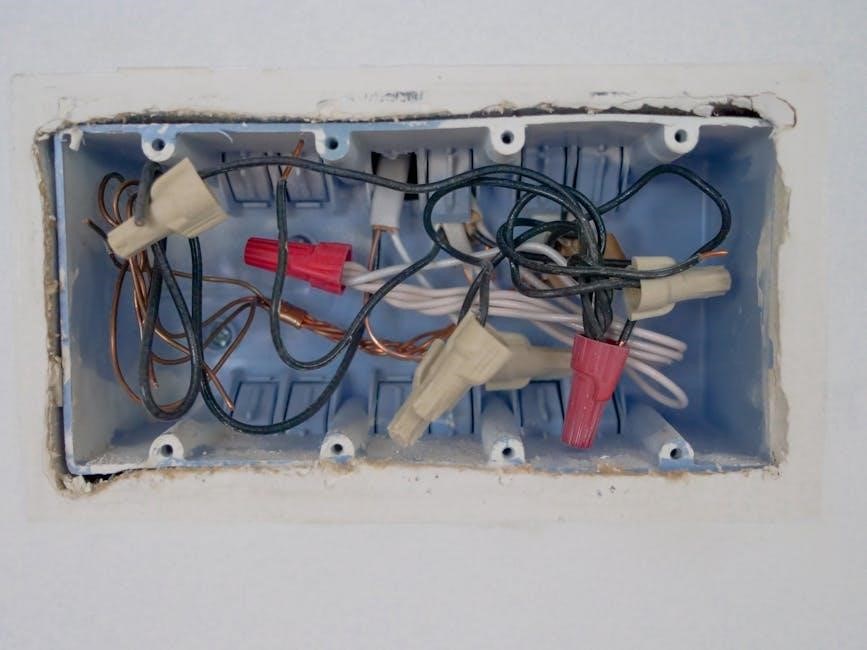
Overloaded circuits and poor wiring are common defects identified in EICRs. Overloaded circuits occur when too many devices draw power, exceeding the circuit’s capacity. Poor wiring includes incorrect cable sizes, damaged insulation, or improper connections. These issues can cause overheating, electrical fires, or shocks, posing serious safety risks. Addressing these defects promptly is crucial to ensure compliance with safety standards and prevent potential hazards. A qualified electrician should inspect and rectify these problems to maintain a safe electrical system.
Damaged or Aging Electrical Components
Damaged or aging electrical components are frequently identified in EICRs. Issues include cracked sockets, frayed wires, or corroded connections. These defects can lead to electrical fires, shocks, or system failures. Regular inspections help detect such problems early. Replacing outdated or damaged components is essential to ensure safety and efficiency. A qualified electrician should assess and replace these items to prevent potential hazards and maintain compliance with electrical safety standards.

EICR for Landlords and Property Managers
Landlords and property managers must ensure electrical safety in rental properties. Regular EICRs are legally required to protect tenants and avoid potential penalties for non-compliance.
Legal Obligations for Rental Properties
Landlords in the UK are legally required to ensure electrical installations in rental properties are safe. The Electrical Safety Standards in the Private Rented Sector (England) Regulations 2020 mandate periodic inspections. An EICR must be obtained every five years, or sooner if recommended. Failure to comply can result in significant fines. Local authorities enforce these rules to protect tenants from electrical hazards, ensuring landlords fulfill their legal duties. Compliance is non-negotiable for rental property owners.
Consequences of Not Having a Valid EICR
Failure to obtain a valid EICR can lead to severe legal and financial repercussions. Landlords may face substantial fines, potential prosecution, and invalid insurance claims. Without compliance, rental properties are deemed unsafe, risking tenant well-being. Local authorities can enforce penalties, and in extreme cases, properties may be deemed uninhabitable. Non-compliance also exposes landlords to liability for electrical-related incidents, emphasizing the critical need for adherence to EICR regulations to avoid these consequences.
EICR and Homebuyers
An EICR is crucial for homebuyers to ensure the property’s electrical system is safe and compliant, avoiding future hazards and costly repairs, providing peace of mind.
Importance of EICR in Property Transactions
Importance of EICR in Property Transactions
An EICR is vital in property transactions as it ensures the electrical system’s safety and compliance. It reveals potential hazards, coded as C1, C2, or C3, influencing purchase decisions. Buyers may negotiate repairs or lower prices based on findings, while sellers benefit from transparency. The report also highlights legal compliance, avoiding post-purchase liabilities. A satisfactory EICR can expedite transactions, building trust between parties and ensuring a smooth transfer of ownership.
How EICR Affects Property Value
An EICR significantly impacts property value by ensuring electrical safety and compliance. A satisfactory report enhances marketability, attracting buyers and potentially increasing value. Conversely, unresolved issues or dangerous codes (C1/C2) can lower property value, deter buyers, or lead to price negotiations. Addressing defects identified in the EICR demonstrates proactive maintenance, boosting buyer confidence and safeguarding investments. A clean report is a valuable asset in property transactions.

Maintaining Electrical Systems After EICR
Maintaining electrical systems after an EICR ensures safety and efficiency. Regular inspections, prompt repairs, and adherence to standards prevent hazards and ensure compliance with regulations.
Regular Maintenance Tips
Regular maintenance involves checking for wear and tear, testing RCDs monthly, and ensuring all electrical components are secure. Avoid overloading circuits and keep electrical areas clean. Schedule annual inspections by a qualified electrician to identify potential issues early. Maintain records of all inspections and repairs for compliance. Address minor issues promptly to prevent major faults. This proactive approach ensures safety, efficiency, and longevity of electrical systems.
Preventative Measures to Avoid Future Issues
Implementing preventative measures ensures long-term electrical safety. Invest in high-quality materials and proper wiring during installations. Use surge protectors to safeguard against voltage spikes. Avoid overloading circuits and regularly inspect for worn-out components. Schedule annual checks by a certified electrician to identify potential risks early. Train staff and residents on electrical safety best practices to prevent misuse of systems. Proactive maintenance helps reduce the likelihood of dangerous faults and ensures compliance with safety standards.
An EICR ensures electrical safety, legal compliance, and protects property values. It identifies hazards, recommends repairs, and provides a detailed report. Regular inspections by certified electricians are essential for maintaining safe and reliable electrical systems. Compliance avoids penalties and ensures insurance coverage. Property owners, including landlords, must prioritize EICR to prevent risks and maintain their assets effectively. A valid report offers peace of mind and financial protection.
Final Thoughts on the Importance of EICR
An EICR is a critical tool for ensuring electrical safety, preventing hazards, and meeting legal requirements. Regular inspections protect lives, properties, and investments while avoiding potential penalties. By addressing issues early, property owners can maintain reliable systems and uphold their responsibilities. Investing in an EICR demonstrates a commitment to safety and compliance, offering long-term peace of mind and financial security for all stakeholders involved.